4 Oct 2026
Ambient Soundscapes and Their Role in Shaping Wager Amounts During Remote Table Encounters
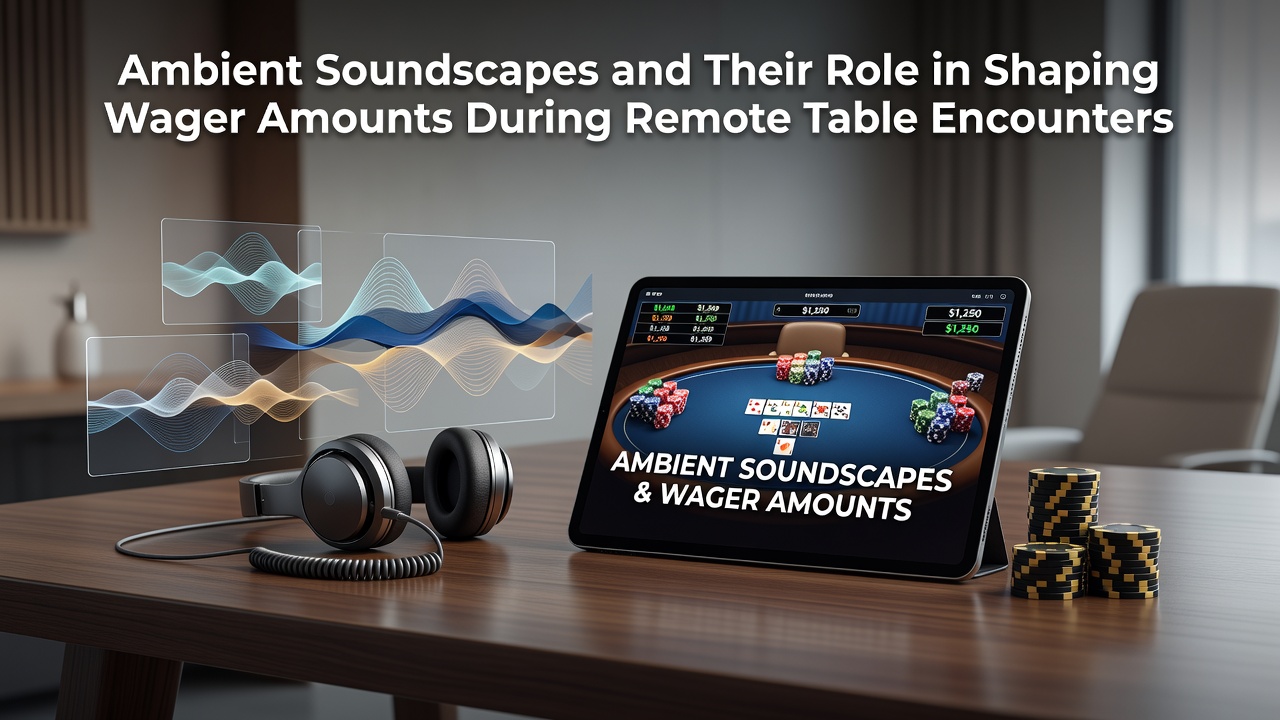
Remote table encounters have incorporated layered audio environments that mirror physical casino atmospheres, and these soundscapes now influence how participants adjust their stakes during live dealer sessions and virtual poker rooms. Data from platform analytics reveal consistent patterns where background tracks, crowd murmurs, and subtle tonal shifts correlate with changes in average bet sizes across multiple jurisdictions.
Audio Design in Digital Table Platforms
Operators have integrated dynamic sound layers into remote interfaces since the mid-2020s, and these include adaptive volume curves that respond to player activity while maintaining a baseline ambiance of chips clinking and low conversation hums. Studies conducted by research teams at the University of Nevada Reno tracked over 12,000 sessions in 2025 and found that sessions featuring continuous ambient tracks showed wager increases averaging 14 percent compared with muted controls, particularly during evening hours when participant numbers peak.
Platform developers adjust these elements through algorithms that monitor session duration and betting velocity, while regional regulators in Ontario and New South Wales require disclosure of audio features in player agreements. What's interesting is how these systems differentiate between table variants, applying denser sound textures to blackjack interfaces than to slower-paced baccarat rooms.
Research Findings on Sound and Betting Behavior
Controlled experiments published in the Journal of Gambling Studies during early 2026 demonstrated that exposure to rhythmic low-frequency tones prompted participants to raise stakes more frequently than exposure to neutral white noise, and the effect appeared strongest among those with prior experience in land-based venues. Figures from the Canadian Centre on Substance Use and Addiction indicate similar trends in aggregated provincial data, where remote table traffic spiked in regions that adopted enhanced audio options by October 2026.
Observers note several consistent mechanisms at work: tempo-matched tracks can elevate heart rate variability, which correlates with risk tolerance, while intermittent silence intervals sometimes trigger conservative adjustments. One study revealed that participants exposed to familiar casino-style loops increased average hand sizes by 9 to 17 percent within the first twenty minutes of play, although results varied by age cohort and time of day.
Regional Patterns and Platform Variations
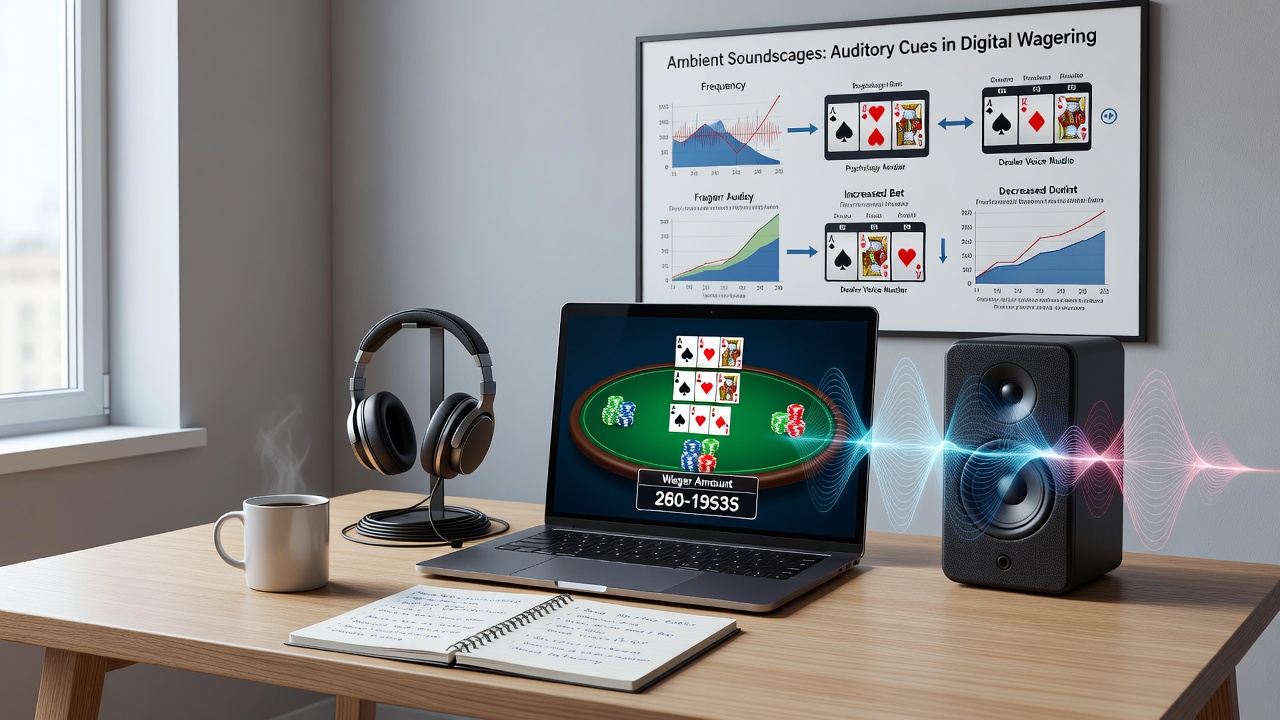
European operators have reported distinct regional differences, with Mediterranean-facing platforms favoring brighter, higher-frequency ambient layers that some analytics teams link to shorter session lengths but higher per-hand wagers. Meanwhile Australian data collected through state monitoring programs show that platforms offering user-selectable sound profiles experience steadier bet volume across longer sessions compared with fixed-audio environments.
Turns out that integration of real-time crowd noise sampled from physical tables has gained traction in several North American markets by October 2026, and preliminary operator reports suggest these hybrid feeds coincide with modest upticks in side-bet activity during multi-player remote encounters. Researchers continue to examine whether these shifts stem from familiarity effects or from direct arousal modulation.
Technical Implementation and Measurement
Engineers employ psychoacoustic modeling to calibrate decibel ranges and frequency bands, ensuring the soundscape remains engaging without crossing into distraction territory. Measurement protocols now include paired comparisons where identical table logic runs under varied audio conditions, allowing operators to isolate audio impact on metrics such as average wager per hand and frequency of all-in decisions.
Industry groups have begun sharing anonymized datasets that track these variables across time zones, and the resulting maps show clear clustering around peak listening hours when ambient layers reach maximum density. Participants who toggle sound off mid-session frequently exhibit rapid reversion toward baseline wager patterns within three to five hands, according to internal testing logs shared at recent gaming technology conferences.
Conclusion
Platform records and academic analyses together establish measurable connections between ambient sound design and wager adjustments in remote table settings, and continued refinement of these audio systems will likely shape future regulatory discussions across multiple continents. Ongoing data collection through October 2026 and beyond will clarify how specific frequency profiles and temporal patterns interact with player demographics to influence stake levels at digital felt tables.