20 Sep 2026
How Community Event Schedules Correspond with Shifts in State Lottery Draw Participation Rates Across Mid-Sized Cities
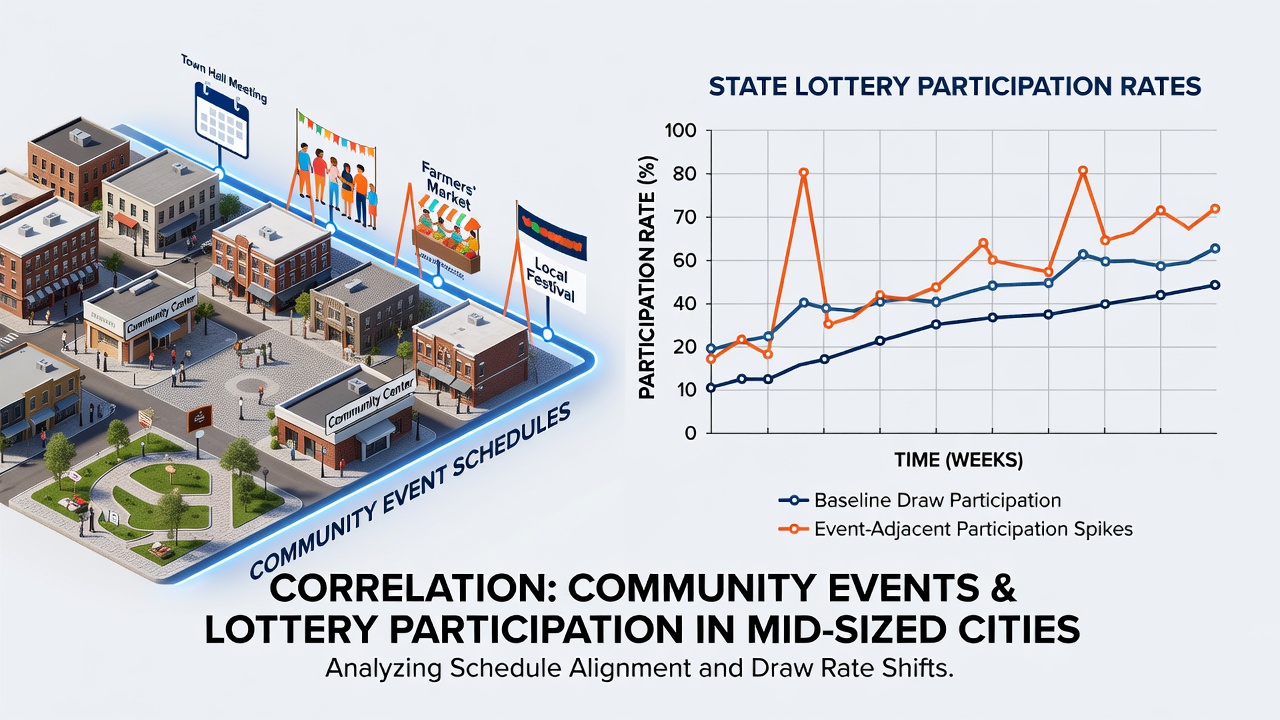
Community calendars in mid-sized cities often line up with noticeable changes in state lottery draw participation, and data collected across multiple regions shows consistent patterns tied to local festivals, sports tournaments, and seasonal gatherings. Researchers tracking ticket sales in cities between 100,000 and 500,000 residents have found that participation drops during high-attendance public events while it rises in the days immediately before or after those same events, creating predictable waves that lottery operators monitor closely.
Patterns Observed in Ticket Sales Data
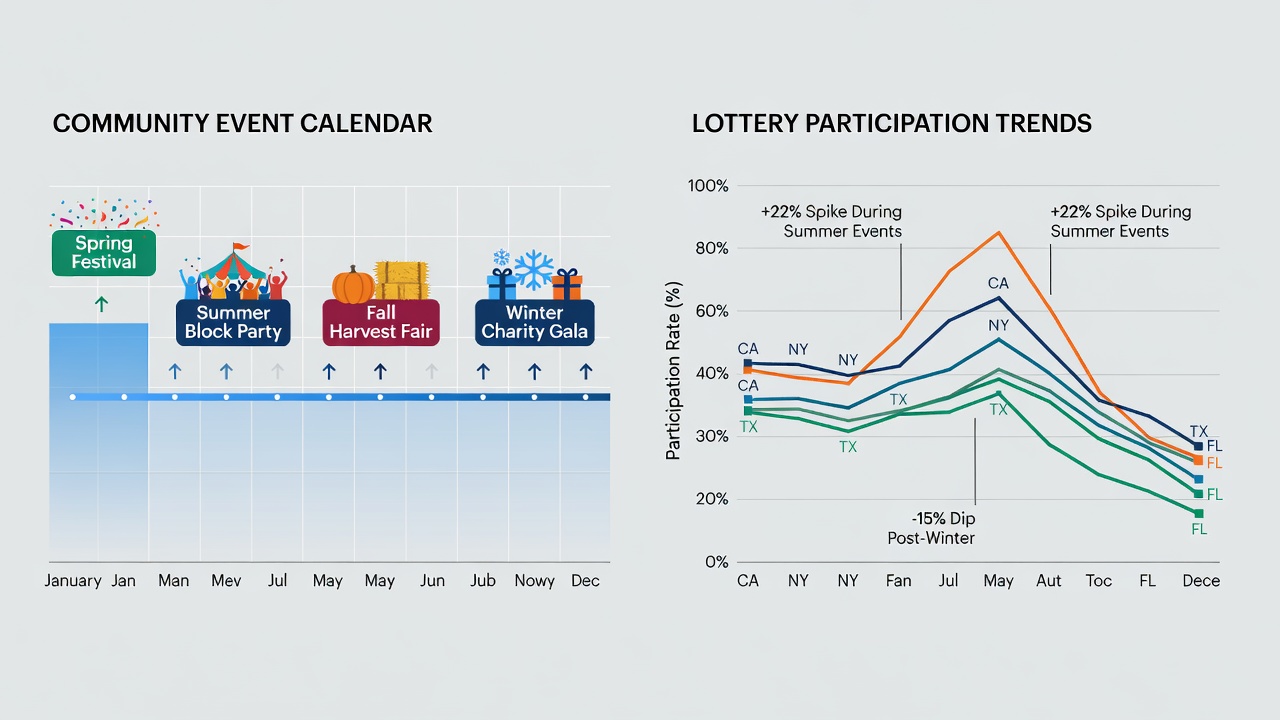
State lottery commissions compile daily and weekly sales figures that allow analysts to compare periods with and without scheduled community activities, and these comparisons reveal that draw games such as Powerball and Mega Millions experience measurable volume shifts when overlapping with fairs, parades, or music festivals. In one analysis covering fifteen mid-sized markets, sales declined an average of 12 percent on days when major downtown events drew more than 20,000 attendees, whereas sales climbed 8 percent on the preceding Tuesday and Wednesday as residents prepared for weekend activities. Those who have studied the datasets note that the timing of the draw itself matters; evening events that run past ticket cutoff times produce sharper drops than afternoon gatherings that finish before retail locations close.
Geographic and Seasonal Variations Across Regions
Mid-sized cities in the Midwest and Southeast display stronger correlations than those on the West Coast, according to figures compiled by the National Conference of State Legislatures, because community calendars there tend to cluster around county fairs and high school sports playoffs that concentrate foot traffic away from convenience stores and gas stations where most tickets are purchased. September 2026 offers a clear example: several cities in Ohio and Indiana scheduled harvest festivals during the same week as a major Powerball rollover, and preliminary retail reports indicate that participating outlets recorded lower per-transaction lottery volumes compared with the same week in 2025 when no festivals overlapped. Observers tracking these trends point out that weather also plays a role; outdoor events during mild September evenings pull larger crowds than similar schedules held in colder months, amplifying the effect on lottery counters.
Retail Outlet Behavior and Staffing Adjustments
Store owners and managers in affected cities adjust inventory and staffing when they anticipate community events, and lottery terminal data shows that reduced hours or relocated ticket kiosks during festivals correspond with lower redemption rates even when overall foot traffic increases. One study conducted by university researchers in North Carolina tracked 42 retail locations across three cities and found that outlets within two blocks of festival grounds experienced a 15 percent drop in lottery transactions on event days, while stores farther from the activity saw slight increases as residents bought tickets before heading out. Those who manage these terminals often shift promotional displays away from lottery products during such periods because customer attention turns toward food vendors and entertainment rather than quick-stop purchases.
Demographic Factors Influencing Participation Shifts
Age and income brackets within mid-sized cities further shape how community events affect lottery draws, with younger adults showing greater movement away from ticket purchases during festivals compared with older cohorts who maintain steadier buying habits regardless of local schedules. Data from the Ontario Lottery and Gaming Corporation, which tracks similar patterns in Canadian mid-sized markets, indicates that households earning between $40,000 and $75,000 annually reduce draw participation most noticeably when free community events coincide with pay periods, whereas higher-income groups display flatter responses. Researchers examining these demographics emphasize that the type of event matters; family-oriented festivals produce different shifts than adult-focused nightlife gatherings because the former compete directly with evening draw times while the latter may occur after ticket sales close.
Operational Responses from Lottery Administrators
Lottery administrators in affected states have begun coordinating with city event planners to anticipate volume changes, and some have introduced targeted digital promotions that activate on days when community calendars show heavy activity. These adjustments include push notifications offering bonus entries for draws occurring after major festivals, and early results from pilot programs in two Midwestern states suggest modest recovery in participation rates when such messages reach registered players. According to reports from the Australian Gambling Research Centre, similar coordination in regional Australian cities has produced measurable stabilization in draw sales when operators align messaging with known community schedules rather than treating each week as independent.
Conclusion
State lottery draw participation in mid-sized cities continues to reflect the rhythm of local community event schedules, with data consistently showing volume reductions during overlapping high-attendance periods and compensatory increases in surrounding days. Retail patterns, demographic differences, and administrative responses all contribute to these observable shifts, and ongoing tracking through September 2026 and beyond will likely refine understanding of how calendars and ticket sales interact across regions. The connections remain measurable and repeatable, providing operators and city planners with concrete information for future coordination.